Starting solid foods can seem overwhelming at first, especially with the volume of information online. From the do’s and don’ts of feeding, to countless tips and tricks for introducing solid foods, it can be difficult to separate fact from fiction.
Registered dietitians are professionally trained food and nutrition experts who can help translate evidence-based information on infant nutrition into practical advice for new parents. Here are a few recommendations from a registered dietitian on how to start solid foods with your baby.
How do I know my baby is ready to start solid foods?
It is recommended that babies start solid foods when they are about six-months old. Keep in mind that each baby is different and that some are ready to start solid foods sooner or later than others. When your baby is nearing six-months, look for signs that show they are ready, such as:
· Sitting up and leaning forward.
· Good head and neck control.
· Being able to tell you if they are hungry or full:
o Hungry: Leaning forward, reaching for food, opening mouth for food, sucking lips, or putting their fist in their mouth.
o Full: Turning head away from food, closing mouth when food is offered, covering mouth, or crying.
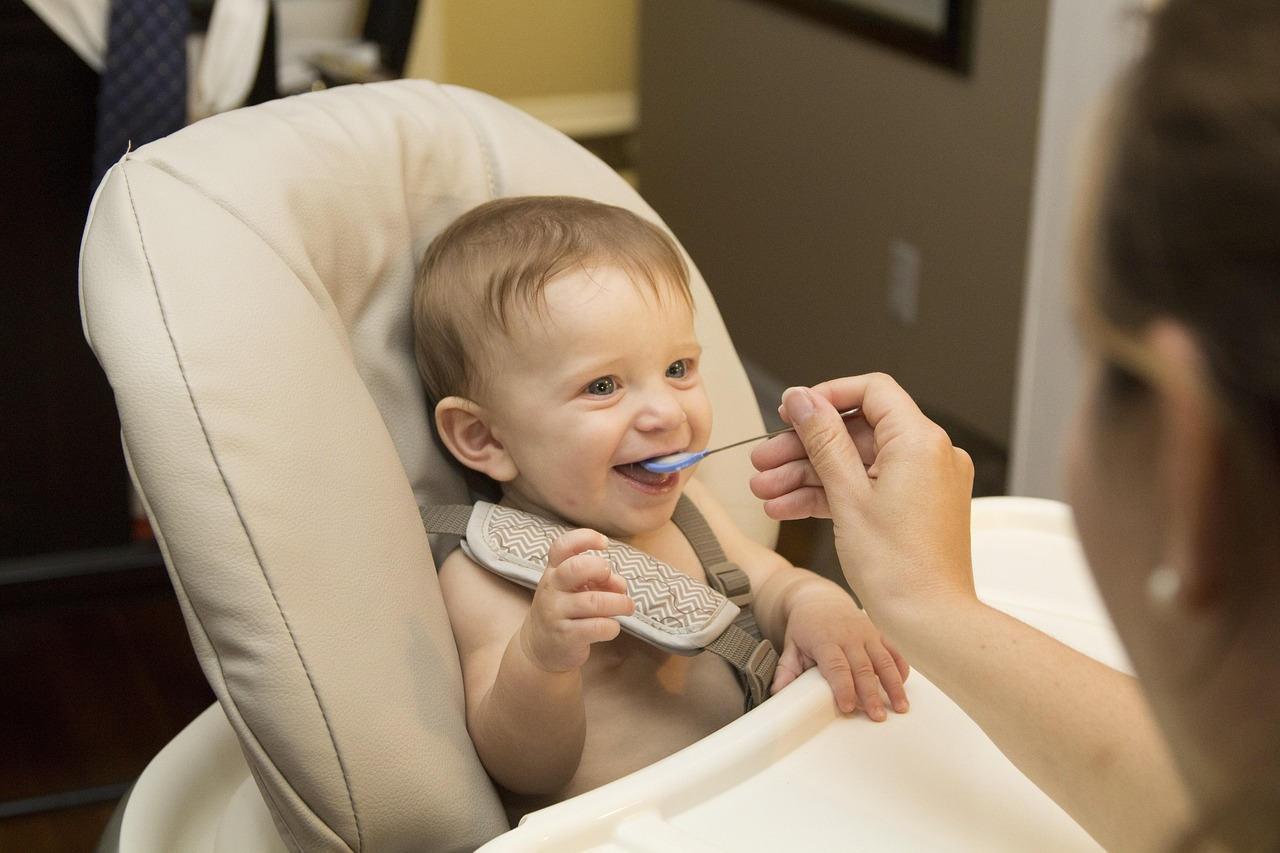
What do I feed my baby?
Iron-rich foods
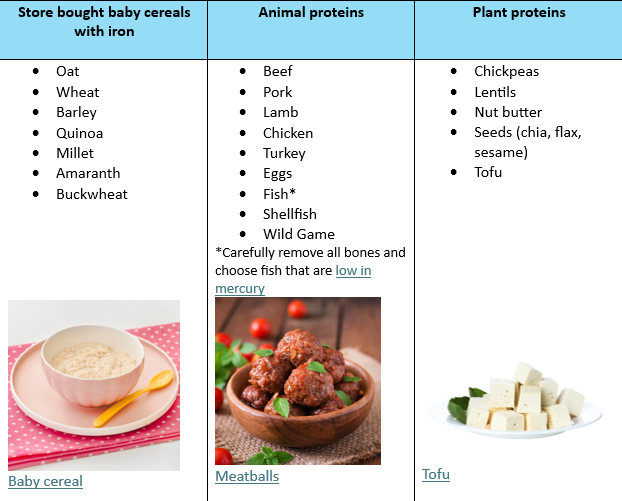
It is recommended that a baby’s first food be high in iron. Iron is an important nutrient for your baby’s growth and development. Most healthy term babies are born with enough iron stores to meet their needs until about six-months. After this time, iron stores start to decrease, which is why introducing iron-rich foods as a baby’s first food is important.
Here are some examples of iron-rich foods:
Start with soft textures
Start by offering foods that are pureed, mashed, or soft enough that you can break it by squishing it between your fingers. Babies can move on to more complex or lumpy textures like diced, grated or cut-up foods once they are ready. Remember to follow your baby’s cues and abilities. Here are some ideas for making foods with different textures:
· Pureed foods:
o Baby cereals (e.g. oat, barley, wheat)
o Peanut butter mixed with breastmilk, formula, or unsweetened yogurt
o Pureed animal proteins like beef, poultry, or fish
o Pureed plant proteins like beans or hummus (chickpeas)
o Unsweetened vegetable and fruit sauces (e.g. applesauce)
· Mashed and minced foods:
o Mashed soft foods like bananas or avocados
o Soft or silken tofu mashed into smaller pieces
o Scrambled eggs
o Cottage cheese
· Diced and grated foods:
o Grated raw or cooked vegetables like beets, carrots, or zucchini
o Diced soft fruit like peaches or pears
o Shredded cheese
o Shredded meats
o Flaked fish
· Soft foods:
o Boiled pasta with meatballs cut into pieces
o Cooked beans or lentils in a stew
o Muffins or pancakes made with baby cereal
o Slice of whole grain bread with nut butter
Ground meat with steamed vegetables cut into pieces

Foods to avoid
Certain foods are riskier for babies and toddlers to eat, due to their texture or size. Young children can easily choke on foods that are round and small or too hard to chew. Avoid the following foods until your child is four-years old:
· Whole grapes or cherries, raisins
· Nuts (including chunky peanut butter), popcorn, seeds(e.g. watermelon)
· Hard or sticky candy, chewing gum
· Hot dogs
· Large chunks of harder foods (e.g. large chunks of meat, cheese, or raw vegetables and fruit)
Make sure to cut, grate or cook foods to make them easier for your baby to eat and to decrease the risk of choking.
If you have questions or concerns about starting solid foods with your baby, reach out to a registered dietitian or your health care provider for more support.
Here are a few resources to help you start solid foods with your baby:
Information and handouts for parents
Classes
Videos
For more resources, follow us on social media. Connect with us today!


477 3rd St SE,
Medicine Hat, AB
T1A 0G8
6-440 2nd Street West
Brooks, AB

admin@bfpa.ca

